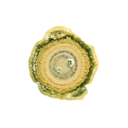




Trianum-P protects plants against a range of soil-borne root diseases through several different modes of action. It also improves root system development, nutrient uptake and plant growth. Diseases Tr
Pests Young larvae of various thrips species and eggs and larvae of whitefly . Crops Do not use in tomato. Mode of action Predatory mites multiply in the sachet and disperse into the crop over a perio
Pests Young larvae of various thrips species. Crops Do not use in tomato. Mode of action Predatory mites use their piercing mouthparts to extract the contents of their prey. Pack size 50,000 predatory
Pests Young larvae of various thrips species. Crops Do not use in tomato. Mode of action Predatory mites multiply in the sachet and disperse into the crop over a period of several weeks. Predatory mit
Pests Young larvae of various thrips species. Crops Do not use in tomato. Mode of action Predatory mites use their piercing mouthparts to extract the contents of their prey. Pack size 50,000; 100,000;
Pests Young larvae of various thrips species and eggs and larvae of whitefly . Crops Do not use in tomato. Mode of action Predatory mites use their piercing mouthparts to extract the contents of their
Pests House fly ( Musca domestica ), lesser house fly ( Fannia canicularis ) and other Fannia spp. Mode of action When the flies emerge from the released pupae, they will lay eggs on or close to the m
Pests All species/stages of aphids . Mode of action The ladybirds feed on aphids and lay eggs in the aphid colonies. After emergence, the larvae also feed on aphids. Visual effect Aphids are consumed
Use Entofood as an alternative source of food for build-up and maintenance of Macrolophus pygmaeus populations in tomatoes in the beginning of the season and at low prey densities. Mode of action As M