Quad pollination hives (containing four large bumblebee colonies) are developed for open-field crops, blossoming in spring. Crops Stone fruits, pome fruits, strawberry, blueberry. Mode of action After
With the Wireless Beehome system, the hive entrance of the Natupol hives can be opened and closed automatically on set times. When assimilation lights dominate the natural (UV) light in the greenhouse
Pests Young larvae of various thrips species and eggs and larvae of whitefly . Crops Do not use in tomato. Mode of action Predatory mites multiply in the sachet and disperse into the crop over a perio
Pests Young larvae of various thrips species. Crops Do not use in tomato. Mode of action Predatory mites use their piercing mouthparts to extract the contents of their prey. Pack size 50,000 predatory
Pests Young larvae of various thrips species. Crops Do not use in tomato. Mode of action Predatory mites multiply in the sachet and disperse into the crop over a period of several weeks. Predatory mit
Pests Young larvae of various thrips species. Crops Do not use in tomato. Mode of action Predatory mites use their piercing mouthparts to extract the contents of their prey. Pack size 50,000; 100,000;
Pests Young larvae of various thrips species and eggs and larvae of whitefly . Crops Do not use in tomato. Mode of action Predatory mites use their piercing mouthparts to extract the contents of their
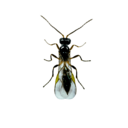
Pests House fly ( Musca domestica ), lesser house fly ( Fannia canicularis ) and other Fannia spp. Mode of action When the flies emerge from the released pupae, they will lay eggs on or close to the m
Pests All species/stages of aphids . Mode of action The ladybirds feed on aphids and lay eggs in the aphid colonies. After emergence, the larvae also feed on aphids. Visual effect Aphids are consumed