Pests Young larvae of various thrips species and eggs and larvae of whitefly . Crops Do not use in tomato. Mode of action Predatory mites multiply in the
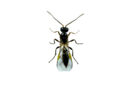
action Adult parasitic wasps emerge from the mummies and females lay their eggs in aphids . The next generation of parasitic wasps develops inside the aphid
action Adult parasitic wasps emerge from the mummies and females lay their eggs into aphids . The next generation of parasitic wasps develop inside the aphid
Pests Aphids and other pests, like mealybugs , Echinothrips and eggs of pest lepidoptera species . Mode of action Larvae of the lacewing attack their prey
Pests Eggs, larvae and pupae of sciarid flies ; thrips pupae. Mode of action The predatory mites feed on larvae of sciarid flies , thrips pupae and other
action Adult parasitic wasps emerge from the mummies and females lay their eggs into aphids . The next generation of parasitic wasps develops inside the
Thripex mini for biological pest control of various thrips species. Hatching eggs and larvae. Predatory mites also eat spider mites (i.e. strawberry mite,
tend to remain close to breeding sites, where they deposit their small white eggs in batches of up to 100 on animal feces, moist organic matter or carrion