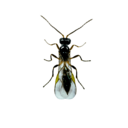
various thrips species and eggs and larvae of whitefly . Crops Do not use in tomato. Mode of action Predatory mites multiply in the sachet and disperse into
food for build-up and maintenance of Macrolophus pygmaeus populations in tomatoes in the beginning of the season and at low prey densities. Mode of action
mite ( Panonychus citri ); other spider mite species. Crops Do not use in tomato. Mode of action Predatory mites pierce their prey with their sucking mouthparts
mite ( Panonychus citri ); other spider mite species. Crops Do not use in tomato. Mode of action Predatory mites multiply in the sachet and disperse into
Pests Young larvae of various thrips species. Crops Do not use in tomato. Mode of action Predatory mites multiply in the sachet and disperse into the crop
vaporariorum ) and cotton whitefly ( Bemisia tabaci ). Crops Do not use in tomato. Mode of action Predatory mites reproduce within the sachet and gradually
mites cannot be used in tomato as they get stuck in the sticky stuff the glandular hairs of the tomato produce. Predatory bugs In tomato the predatory bug
feeds on 70 plants of 22 families, among them crops such as sweet pepper, tomato, strawberry, lettuce, beetroot, onion, rhubarb as well as chrysanthemum
beet, peanut, soybean, alfalfa, onion, cotton, pasture grasses, millet, tomato, potato and cotton. Fall armyworm moths generally disperse in a radius of