Use the Natutec Mini-Airbug for the distribution of natural enemies in the crop. The Mini-Airbug can be used for full-field distribution, specific hot spots as well as for the distribution of Artefeed
Use the Natutec Airobug for the distribution of natural enemies in the crop. The Airobug can be used for large surfaces and full field distribution in high-tech greenhouses with internal transport sys
Use the Natutec Airbug for the distribution of natural enemies in the crop. The Airbug can be used for both full-field distribution and for specific hot spots. Mode of action The innovative combinatio
Pests Young larvae of various thrips species. Crops Do not use in tomato. Mode of action Predatory mites use their piercing mouthparts to extract the contents of their prey. Pack size 50,000 predatory
Pests Young larvae of various thrips species. Crops Do not use in tomato. Mode of action Predatory mites multiply in the sachet and disperse into the crop over a period of several weeks. Predatory mit
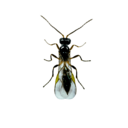
Pests Leaf miners ( Lyriomyza spp.). Mode of action Adult female parasitic wasps of Diglyphus isaea kill second and third instar leaf miner larvae in the mine and lay their eggs next to them. The eggs
Pests Various species of thrips . Crops Do not use in tomato. Mode of action The predatory bugs actively search for prey. With their piercing mouthparts, they extract the contents of their prey, leavi
Pests Young larvae of various thrips species. Crops Do not use in tomato. Mode of action Predatory mites use their piercing mouthparts to extract the contents of their prey. Pack size 50,000; 100,000;
Pests All species of spider mites . Mode of action After emerging from the pupa, adult gall-midges actively search for spider mite colonies and deposit eggs next to the spider mites . Once emerged, th