Larvanem can be used for biological control of larvae of weevils and other beetles in a wide range of crops. Pests Beetles (Coleoptera): Weevils (Curculionidae): Black vine weevil (Otiorhynchus sulcat
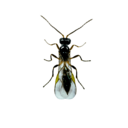
Pests Especially for cotton aphid ( Aphis gossypii) ; tobacco aphid ( Myzus persicae var. nicotianae ); peach-potato aphid ( Myzus persicae var. persicae ). Mode of action Adult parasitic wasps emerge
Use the Deltatrap for monitoring and trapping male moths and mealybugs in protected and outdoor crops in combination with a species-specific pheromone. Pests Moths and mealybugs . Crops Protected and
Pests All stages of many mealybug species. Mode of action Adults and larvae consume the mealybugs completely. Visual effect Mealybugs are consumed entirely. Pack size 500 adults. Presentation Cardboar
Pests Greenhouse whitefly ( Trialeurodes vaporariorum ); Tobacco whitefly ( Bemisia tabaci ). Mode of action Adult female parasitic wasps parasitize second to fourth stage larvae of the whitefly . Hos
Pests Greenhouse whitefly ( Trialeurodes vaporariorum ); Tobacco whitefly ( Bemisia tabaci ). Mode of action Adult female parasitic wasps parasitize the third and fourth larval stage of the whitefly .
Pests Aphids and other pests, like mealybugs , Echinothrips and eggs of pest lepidoptera species . Mode of action Larvae of the lacewing attack their prey and suck their body fluids. Visual effect Pre
Pests All stages of many mealybug species. Mode of action Larvae and adults consume the mealybug completely. Visual effect Mealybugs are consumed entirely. Pack size 1,000 larvae. Presentation 500 ml
Pests Larvae of various species of thrips (first and second larval stages); eggs and larvae of greenhouse whitefly ( Trialeurodes vaporariorum ) and tobacco whitefly ( Bemisia tabaci ). Crops Do not u
Pests Eggs, larvae and pupae of sciarid flies ; thrips pupae. Mode of action The predatory mites feed on larvae of sciarid flies , thrips pupae and other soil-dwelling insects. The mites appear in and