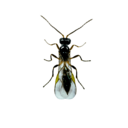
Pests Young larvae of various thrips species. Crops Do not use in tomato. Mode of action Predatory mites use their piercing mouthparts to extract the contents of their prey. Pack size 50,000 predatory
Pests Young larvae of various thrips species. Crops Do not use in tomato. Mode of action Predatory mites multiply in the sachet and disperse into the crop over a period of several weeks. Predatory mit
Pests Various species of thrips . Crops Do not use in tomato. Mode of action The predatory bugs actively search for prey. With their piercing mouthparts, they extract the contents of their prey, leavi
Pests Young larvae of various thrips species and eggs and larvae of whitefly . Crops Do not use in tomato. Mode of action Predatory mites use their piercing mouthparts to extract the contents of their
Pests Young larvae of various thrips species and eggs and larvae of whitefly . Crops Do not use in tomato. Mode of action Predatory mites multiply in the sachet and disperse into the crop over a perio
Pests Young larvae of various thrips species. Crops Do not use in tomato. Mode of action Predatory mites use their piercing mouthparts to extract the contents of their prey. Pack size 50,000; 100,000;
Trianum-G protects plants against a range of soil-borne root diseases through several different modes of action. It also improves root system development, nutrient uptake and plant growth. Diseases Tr
Trianum-P protects plants against a range of soil-borne root diseases through several different modes of action. It also improves root system development, nutrient uptake and plant growth. Diseases Tr
Pests House fly ( Musca domestica ), lesser house fly ( Fannia canicularis ) and other Fannia spp. Mode of action When the flies emerge from the released pupae, they will lay eggs on or close to the m
For monitoring whiteflies, thrips , leaf miner and fungus gnats in hot spots or places where high pressure can be expected, such as along gables, ventilation windows and (other) draughty places. Pests