Integrated pest management in strawberry Integrated pest management (IPM) plays a crucial role in ensuring the health and productivity of strawberry crops due to the presence of various pests and dise
About Cucurbita or gourd is a genus of herbaceous vines belonging to the gourd family, Cucurbitaceae . Cucurbits, as they are also know, are indigenous to the Andes region and Mesoamerica. Currently,
About A melon can be any one of several plants belonging to the family of Cucurbitaceae . The melon plant produces a usually sweet and edible, fleshy fruit. The term "melon" is used for the plant, but
Integrated Pest Management (IPM) in tomato crops Integrated Pest Management (IPM) is of importance in tomato cultivation. Tomatoes are exceptionally susceptible to a range of formidable pests, includi
Rediscovering natural approaches to plant health Embracing biological pest control Over the years, biological pest control has proven effective in managing pests without the drawbacks of chemical pest
Predatory bugs Predatory bugs are beneficial insects crucial for natural pest control in agriculture. Equipped with piercing mouthparts, they actively hunt and feed on various harmful pests, helping t
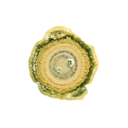
What is biological disease control? Biological control of plant diseases is a method used to manage and reduce the impact of plant diseases by utilizing beneficial organisms. This method relies on the
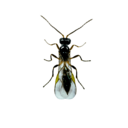
What are parasitic wasps? Parasitic wasps are small insects that play a crucial role in natural pest control. They are called "parasitic" because they lay their eggs inside or on harmful pest insects.
Two-spotted spider mite ( Tetranychus urticae ) and other Tetranychus spp., except Tetranychus evansi . Mode of action Predatory mites multiply in the sachet and disperse into the crop over a period o
Amblyseius andersoni is a species of predatory mite and is used for biological pest control in horticulture and agriculture. These predatory mites are natural enemies of various pests like thrips , wh