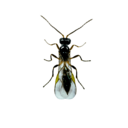
Amblyseius andersoni Amblyseius andersoni is a species of predatory mite and is used for biological pest control in horticulture and agriculture. These predatory mites are natural enemies of various p
Beneficial nematodes What are nematodes? Nematodes, commonly referred to as roundworms, are a diverse group of worms belonging to the phylum Nematoda. Nematodes are characterized by their unsegmented,
Integrated Pest Management What is IPM? Integrated Pest Management, often referred to as IPM, is a sustainable and environmentally responsible approach to pest management. It employs a combination of
Beneficial microorganisms In the quest for sustainable and environmentally friendly pest control, beneficial microorganisms have emerged as powerful allies for professional growers. These fungi, often
Crop Monitoring and Scouting Understanding crop monitoring and scouting In the world of agriculture and horticulture, the phrase "knowledge is power" couldn't be truer. Crop monitoring and scouting ar
Biological Pest Control Pest control is a critical aspect in agriculture. However, the traditional use of chemical pesticides often raises concerns about environmental damage and human health risks. B
Crop Protection In today’s world, the agricultural industry faces many challenges: feeding a growing global population while responding to increasing chemical bans, environmental concerns and the incr
Stratiolaelaps scimitus (Hypoaspis miles) The predatory mite Stratiolaelaps scimitus is also known under the scientific name Hypoaspis miles . It is a soil-dwelling predatory mite occurring naturally
Neoseiulus californicus The predatory mite Neoseiulus californicus (previously Amblyseius californicus) is commonly used for biological pest control of spider mites . Although Neoseiulus californicus
Neoseiulus cucumeris The predatory mite Neoseiulus cucumeris (also called Amblyseius cucumeris ) is widely used for the biological control of thrips in greenhouse crops. These predatory mites feed mos