Pests Various species of thrips . Crops Do not use in tomato. Mode of action The predatory bugs actively search for prey. With their piercing mouthparts, they extract the contents of their prey, leavi
Pests Young larvae of various thrips species and eggs and larvae of whitefly . Crops Do not use in tomato. Mode of action Predatory mites use their piercing mouthparts to extract the contents of their
Pests All species/stages of aphids . Mode of action The ladybirds feed on aphids and lay eggs in the aphid colonies. After emergence, the larvae also feed on aphids. Visual effect Aphids are consumed
Capsanem can be used for biological control of various insect pests in protected and outdoor crops. It is effective in a wide temperature range. Capsanem [...] Recommended for you Steinernema carpocapsae Beneficial nematodes Caterpillar control with nematodes FAQs Nematodes
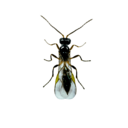
Pests Especially for tobacco aphid ( Myzus persicae var. nicotianae ) and peach-potato aphid ( Myzus persicae var. persicae ). Mode of action Adult parasitic wasps emerge from the mummies and females
1-10 per m2/release. Releases should be repeated at weekly intervals until control is achieved. Consult a Koppert advisor or a recognized distributor of Koppert
Pests Especially for potato aphid ( Macrosiphum euphorbiae ) and glasshouse potato aphid ( Aulacorthum solani ). It also has an effect on the peach potato aphid ( Myzus persicae ) and other aphid spec
be repeated at least 3 times at weekly intervals, or until the pest is controlled. Consult a Koppert advisor or a recognized distributor of Koppert products
the crop. Release should be repeated after 5-6 weeks if the pest is not controlled. Consult a Koppert advisor or a recognized distributor of Koppert products
the crop. Release should be repeated after 4 weeks if the pest is not controlled. Consult a Koppert advisor or a recognized distributor of Koppert products