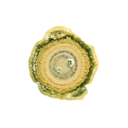
the soil and on crop residues of infected plants as chlamydospores (thick walled mycelium cells) or mycelium. Survival is also possible on seed, greenhouse
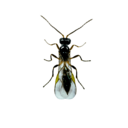
parasitoid are covered with a mucilaginous substance and are attached to the body wall of the psyllid nymph. The larvae are ecoparasitic and are located under the
is distributed on dry places or on dry(er) manure Place close to stable walls or edges, or in furrows Start introduction as soon as flies can be expected
can either germinate directly or produce zoospores), chlamydospores (thick-walled mycelium cells which are resistant to desiccation) or mycelium. Zoospores
amount of inoculum Extra Silicon and/or Calcium nutrition hardens the cell walls and makes it harder for the fungi to enter the leaves Prevent plant diseases
whenever available Extra Silicon and/or Calcium nutrition hardens the cell walls and makes it harder for the fungi to enter the leaves To reduce chances of
pathogens Trianum-G grows around the mycelia of the pathogens. The cell walls of the pathogens break down and the pathogens die. Strengthening of the plant
calcium content of the roots reduces disease severity by strengthening cell walls and aiding in early signal transduction in host-pathogen interactions. Presence
soil, and on crop residues of infected plants, as chlamydospores (thick walled mycelium cells) or mycelium. Survival is also possible on seed, greenhouse
directly inhibit the growth and development of pathogens, disrupt their cell walls, or interfere with their metabolic processes. Strengthening the plant: T