Pests All species/stages of aphids . Mode of action Adult gall midges emerge from the pupae and deposit their eggs in the aphid colonies. After emerging from the eggs the larvae consume the aphids . V
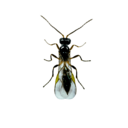
Pests Especially for cotton aphid ( Aphis gossypii) ; tobacco aphid ( Myzus persicae var. nicotianae ); peach-potato aphid ( Myzus persicae var. persicae ). Mode of action Adult parasitic wasps emerge
Pests Larvae of various species of thrips (first and second larval stages); eggs and larvae of greenhouse whitefly ( Trialeurodes vaporariorum ) and tobacco whitefly ( Bemisia tabaci ). Crops Do not u
General Stable flies belong to the genus Stomoxys , Latin for “sharp mouth”; a fitting moniker, as these flies are the only members of the Muscidae family that feed on mammalian blood (particularly ca
Pests Two spotted spider mite ( Tetranychus urticae ); European red mite ( Panonychus ulmi ); citrus red mite ( Panonychus citri ); other spider mite species. Crops Do not use in tomato. Mode of actio
Pests Young larvae of various thrips species and eggs and larvae of whitefly . Crops Do not use in tomato. Mode of action Predatory mites multiply in the sachet and disperse into the crop over a perio
Pests Eggs, larvae and pupae of sciarid flies ; thrips pupae. Mode of action The predatory mites feed on larvae of sciarid flies , thrips pupae and other soil-dwelling insects. The mites appear in and
General The genus Fannia comprises almost 300 different species of fly, including the lesser house fly , the latrine fly and a whole host of other manure-breeding flies . Fannia species can be found w
kill 20 thrips per day. Can They be Used with Other Biocontrol? Yes, this natural enemy should be used in conjunction with other biological controls, like