Pests All species/stages of aphids . Mode of action Adult gall midges emerge from the pupae and deposit their eggs in the aphid colonies. After emerging from the eggs the larvae consume the aphids . V
Pests Especially for potato aphid ( Macrosiphum euphorbiae ) and glasshouse potato aphid ( Aulacorthum solani ). Ervipar also parasitizes tobacco aphid ( Myzus persicae var. nicotianae ). Mode of acti
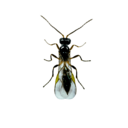
Pests Especially for cotton aphid ( Aphis gossypii) ; tobacco aphid ( Myzus persicae var. nicotianae ); peach-potato aphid ( Myzus persicae var. persicae ). Mode of action Adult parasitic wasps emerge
Pests Larvae of various species of thrips (first and second larval stages); eggs and larvae of greenhouse whitefly ( Trialeurodes vaporariorum ) and tobacco whitefly ( Bemisia tabaci ). Crops Do not u
Pests Two spotted spider mite ( Tetranychus urticae ); European red mite ( Panonychus ulmi ); citrus red mite ( Panonychus citri ); other spider mite species. Crops Do not use in tomato. Mode of actio
Pests Eggs, larvae and pupae of sciarid flies ; thrips pupae. Mode of action The predatory mites feed on larvae of sciarid flies , thrips pupae and other soil-dwelling insects. The mites appear in and
Pests Young larvae of various thrips species and eggs and larvae of whitefly . Crops Do not use in tomato. Mode of action Predatory mites multiply in the sachet and disperse into the crop over a perio
kill 20 thrips per day. Can They be Used with Other Biocontrol? Yes, this natural enemy should be used in conjunction with other biological controls, like
impede the migration of pests within a grow room or greenhouse. Insects naturally move from one section of the controlled environment to another, seeking