uses the predatory soil mite Stratiolaelaps scimitus . Investigating the effect of spraying Every week, Floricultura examines the action of the nematodes
/ or yellowing of leaves, sometimes followed by defoliation. The overall effect is a reduction of photosynthesis and therefore the yield. Flowers and fruit
young larvae usually feed on leaves, creating a characteristic windowing effect. This damage and moist sawdust-like frass near the funnel and upper leaves
deformed growth above with lumpy leaves and curled leaf margins. The immediate effects of piercing by the aphids are visible in lower leaves in the form of yellow
Effective pollinators Bumblebees are known to be easy, efficient and reliable pollinators. These are the benefits of bumblebees: Bumblebees provide maximum
This kills the pest within a few hours to days after infection. Visual effect Infected pest insects in the root zone turn red to brown but may be difficult
adequate crop rotation Use clean propagation material (seed can be treated effectively with hot water) Use clean substrate in greenhouse crops Disinfect tools
be avoided during warmer periods. Yet, bumblebees need sunlight to be effective pollinators. Additionally, it is essential to maintain humidity around
consulting the manufacturer or distributor regarding compatibility. Test the effect on a small number of samples before use; Results may vary from one site
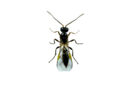
use of Aphelinus abdominalis The parasitic wasp Aphelinus abdominalis is effective between 15 and 35°C (59 and 95°F). Behaviour of the parasitic wasp Aphelinus