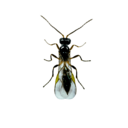
mites are detected in the crop. Introduction rates typically range from 2-50 per m2/release. Releases should be repeated once or twice at weekly intervals
recommended to place the colonies near pathways, preferably within a distance of 2 meters. During the winter, sufficient light should reach the hives, while direct
egg production and fly development occurring between 25–30°C. The small (1.2 mm), white eggs will only hatch if they remain moist, and creamy-white larvae
planting of the crop. Introduction rates typically range from 0.25-4 per m 2 /release. Releases should be repeated at least 3 times. Consult a Koppert advisor
plastic bags to kill remaining live bumblebees, which takes approximately 2 weeks. When all bumblebees are dead dispose the hives according to local l
spring in the soil. The depth where the pupae can be found varies between 2 and 20 cm. Pupae are white to cream coloured and 7 - 10 mm long. Outdoors there
However, this is not universal among the Agromyzidae. Of the approximately 2,500 species in this family, only eleven are truly polyphagous. The species
artificial light or in warmer environments. Crops Crops with >35 flowers/m 2 /week, such as cherry tomatoes and snack tomatoes, (straw)berries. Mode of
after planting of the crop. Introduction rates typically range from 1-10 per m2/release. Releases should be repeated at least 3 times at weekly intervals or
Storage time after receipt See package for expiry date. Storage temperature 2-6ºC/36-43°F. Storage conditions Keep away from direct sunlight. Recommended