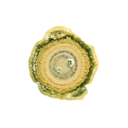
Trianum-P protects plants against a range of soil-borne root diseases through several different modes of action. It also improves root system development, nutrient uptake and plant growth. Diseases Tr
Trianum-G protects plants against a range of soil-borne root diseases through several different modes of action. It also improves root system development, nutrient uptake and plant growth. Diseases Tr
Pests Aphids and other pests, like mealybugs , Echinothrips and eggs of pest lepidoptera species . Mode of action Larvae of the lacewing attack their prey and suck their body fluids. Visual effect Pre
Use Horiver Wetstick for monitoring of different flying insects. Pests Yellow: whitefly , thrips , fungus gnats, leaf miners Blue: thrips Black: Tuta absoluta Red: Drosophila suzukii White: Lygus spp.
Larvanem can be used for biological control of larvae of weevils and other beetles in a wide range of crops. Pests Beetles (Coleoptera): Weevils (Curculionidae): Black vine weevil (Otiorhynchus sulcat
Pests All species/stages of aphids . Mode of action Adult gall midges emerge from the pupae and deposit their eggs in the aphid colonies. After emerging from the eggs the larvae consume the aphids . V
Entonem can be used for biological control of various insect pests in protected crops and urban green. It is effective at low temperatures, thus can also be applied in colder parts of the season. Ento
Pests Especially for potato aphid ( Macrosiphum euphorbiae ) and glasshouse potato aphid ( Aulacorthum solani ). It also has an effect on the peach potato aphid ( Myzus persicae ) and other aphid spec
Pests For suppression of whiteflies, thrips and aphids on various greenhouse vegetable and ornamental crops; mealybugs on greenhouse ornamentals ; thrips on greenhouse strawberry; and cannabis aphid a