Pests Two-spotted spider mite ( Tetranychus urticae ); european red mite ( Panonychus ulmi ); citrus red mite ( Panonychus citri ); other spider mite species. Crops Do not use in tomato. Mode of actio
Pests Larvae of various species of thrips (first and second larval stages); eggs and larvae of greenhouse whitefly ( Trialeurodes vaporariorum ) and tobacco whitefly ( Bemisia tabaci ). Crops Do not u
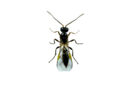
Pests House fly ( Musca domestica ), biting stable flies ( Stomoxys spp.), lesser house fly ( Fannia canicularis ) and other Fannia spp. Mode of action When the adult parasitic wasps emerge from the p
“The Airobreez has transformed our approach to biological crop protection ," says Tim from Labeau in the Netherlands. "Our greenhouse layout and equipment make using larger application devices for bio
Ulti-Mite represents a significant advancement in the packaging of predatory mites , designed to enhance biological pest control across a wide range of crops. In 2016, we introduced this groundbreakin
About Maize or corn ( Zea mays subsp. mays ), is a large grain plant that divided in six main types: flint corn, dent corn, popcorn, pod corn, sweet corn and flour corn. Already about 10,000 years ago
About The soybean ( Glycine max ) (North America) or soya bean is a so-called legume and indigenous to East Asia. It is extensively cultivated for its edible beans. The fruit of the plant is a hairy p
Mushroom A mushroom, or toadstool, is the fleshy, spore-bearing fruiting body of a fungus, typically produced above ground on soil or on its food source. Edible mushrooms are the fleshy and edible fru
About The hop is a small genus of flowering plants in the family Cannabaceae. Hops are the female flowers (seed cones, strobiles) of the plant and are considered the main flavor ingredient in making b
About The so-called Prunus persica is a deciduous tree indigenous to Northwest China. There is was first domesticated and cultivated for its fruit. The description ‘persica’ refers to the popularity o