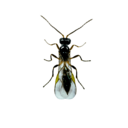
very new pest to North America. It was first seen on cuttings originating from Colorado in 2016 and is now widespread throughout that state and Oregon.
for instance Fusarium sp. And Botrytis sp. Adults can also spread pathogens from diseased to healthy plants. Frass deposited on leaves or flowers in ornamental
species. They have very hard bodies and are small in size. They prefer crops from the Solanaceae family, especially the Capsicum genus (peppers); they feed
and bright red eyes. Adult females are very variable in colour. They range from almost white through yellowish orange to almost black. Western flower thrips
transferring fungal diseases, such as Fusarium, Botrytis and Verticillium, from diseased to healthy plants. Direct damage is the immediate result of larvae
first thrips are detected in the crop. Introduction rates typically range from 0.5-10 per m2/release. Releases should be repeated once or twice. Consult
the first mines are visible in the crop. Introduction rates typically range from 0.25-3 per m 2 /release. Releases should be repeated at least 3 times at
canicularis ) and other Fannia spp. Mode of action When the flies emerge from the released pupae, they will lay eggs on or close to the manure, the developing
parasitic wasps will then also be trapped Remove the silicone cover paper from both sides of the trap Replace the traps when largely covered by insects
be adjusted to the particular situation. The trap density typically ranges from 1-20 per hectare. Timing Install the traps as soon as the temperature exceeds