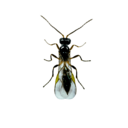
General The black bean aphid, Aphis fabae , is widespread in temperate regions, where it is a serious economic pest of beans. It is highly polyphagous, and attacks a wide range of other crops. Damage
Overview They belong to the Curculionidae family, which is made up of more than 40,000 species. They have very hard bodies and are small in size. They prefer crops from the Solanaceae family, especial
General The fall armyworm is a polyphagous pest that is indigenous throughout the Americas. Recently, it has been found in Africa too. The caterpillars of fall armyworms feed on the leaves, stems and
General The beet armyworm (Spodoptera exigua) has become a regular problem for horticulturalists due to its resistance to nearly all insecticides, and its ability to develop on wild vegetation during
General The diamond back moth (Plutella xylostella) belongs to the family of Plutellidae . It only attacks Brassicaceae species, including cruciferous weeds. The diamond back moth (Plutella xylostella
General The common asparagus beetle ( Crioceris asparagi ) is a major, host-specific pest of asparagus in most asparagus producing regions of the world. Damage symptoms Both adults and larvae feed on
General The potato aphid ( Macrosiphum euphorbiae ) is of North American origin, but is these days distributed throughout the world. It is a highly polyphagous species with a preference for Solanaceae
General The glasshouse potato aphid ( Aulacorthum solani) is a native European species of aphids , seriously affecting crops of sweet pepper in particular. These aphids further affect ornamental crops
General The cotton aphid ( Aphis gossypii ) is an extremely polyphagous aphid found on more than 700 plant species. Crop plants attacked by this aphid include cotton, citrus, coffee, cocoa, eggplant,
General The tobacco aphid ( Myzus persicae subsp. nicotianae ) probably evolved from the peach potato aphid in the Far East and is a key pest of tobacco crops in both the United States and South Ameri