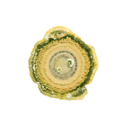
Fusarium spp. Fusarium fungi cause vascular wilt, root rot, foot and stem rot, leaf lesions, fruit rot, head blight in cereals, and post-harvest decay. Fusarium
dorsum (back). Lygus bugs overwinter under plant debris, such as dead weeds, leaf litter and tree bark, and become active in early spring. They begin to feed
underside of leaves. This causes a window effect where the epidermis of the upper leaf surface remains undamaged. Young caterpillars are often found in groups,
are: Leaves & stems Nettle-like heads and/or bubbling of the leaves Stunted leaf growth Leaves have a pale or grey colour Necrotic and dying leaves Yellow
randomly on the plant. Their efficiency is seriously impaired by the presence of leaf hairs. The larvae are not easily observed and are mainly active at night
brown patches to appear on leaves and fruit. This can eventually kill the leaf. Life cycle of mealybugs & scales Mealybug & scale control videos Take a
which affects the entire population, often causing aphids to drop from the leaf and fall to the ground. Although many aphids die as a result, many will survive
out the body fluids, leaving the dead aphid hanging by its snout from the leaf to turn brown or black, and eventually decay. The quantity of aphids consumed
for food on the underside of leaves. They often congregate in the axils of leaf veins to rest. Their colour can vary according to the prey eaten, and varies