About The rose ( Rosa) belongs to the genus Rosa of the family Rosaceae. Rose also refers to the flowers the plant bears. There are more than one hundred [...] hundred rose species and thousands of different cultivars. The rose is a woody, perennial plant which usually develops as a shrub, climbing or trailing with [...] with a stem that has sharp thorns. The flowers of the rose plant can vary in shape and size, but are often ornate and bright coloured. Colours range from
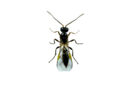
General The rose aphid, Macrosiphum rosae , is a serious and often abundant pest of roses. It is virtually cosmopolitan and widely spread in Europe. Damage [...] colour. The siphunculi are black and bent outwards. The rose aphid usually overwinters on rose bushes in the egg stage, although in mild winter some adults [...] up on roses in spring and summer; sometimes shoots are completely covered by aphids. In summer, winged aphids spread the infestation to other rose plants
production. The yellow rose aphid is also a vector of several viruses attacking strawberries and roses. Life cycle and appearance of Yellow rose aphid Aphids have [...] of the family Rosaceae and is a pest of strawberries and roses. Damage symptoms The yellow rose aphids usually live in young unfolded leaves. Nymphs and [...] found only on cultivated roses and strawberries, in glasshouses in northern Europe or outdoors in warmer climates. Wingless yellow rose aphids have a brownish
Important types are: Rose: The rose belongs to the genus Rosa from the Rosaceae family. The flowers of the plant are also called rose. There are more than
the genus Prunus (just like the cherry, apricot, almond and plum) and the rose family. Together with the almond, the peach also belongs to the subgenus
introduced the tree to North America. The deciduous apple tree belongs to the rose family and is now cultivated for its fruit all over the world. It is the
hosts from 38 plant families. They include ornamental crop plants, such as roses and gerbera, aquatic plants, vegetable crops such as celery, pepper and lettuce [...] kalanchoƫ a relatively small population can cause severe damage, whereas roses appear to tolerate larger numbers. Life cycle and appearance of Southern
cultivar how soon after infection this happens. In apple, pear, outdoor grown rose and other Rosaceae , the fungus causing powdery mildew is extremely sensitive [...] Therefore, this is where the colonies mostly occur in these crops. In covered roses, the colonies appear first and foremost on the upper side of the leaves.
attack a large scale of other woody plants and is occasionally a problem on roses and other ornamentals of the family Rosaceae grown in greenhouses. It originates
leek, and in greenhouses on cucurbits, tomato, sweet pepper, eggplant, roses, chrysanthemum, gerbera, carnations, bulbs and many others. Life cycle and