Pests Young larvae of various thrips species. Crops Do not use in tomato. Mode of action Predatory mites multiply in the sachet and disperse into the crop over a period of several weeks. Predatory mit
Pests Young larvae of various thrips species and eggs and larvae of whitefly . Crops Do not use in tomato. Mode of action Predatory mites use their piercing mouthparts to extract the contents of their
Pests Young larvae of various thrips species and eggs and larvae of whitefly . Crops Do not use in tomato. Mode of action Predatory mites multiply in the sachet and disperse into the crop over a perio
Pests Two-spotted spider mite ( Tetranychus urticae ) and other Tetranychus spp., except Tetranychus evansi . Mode of action Predatory mites use their piercing mouthparts to extract the contents of th
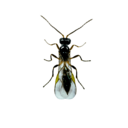
Economical and better biocontrol of aphids, mealy bugs and Echinothrips Aphids and mealy bugs are difficult to control and an increasing problem in many crops in which hotspots can grow explosively. B
The type plate attached to the transmitter and receiver contains all the data by which each individual component in the Wireless BeeHome system can be
Trianum-P protects plants against a range of soil-borne root diseases through several different modes of action. It also improves root system development, nutrient uptake and plant growth. Diseases Tr
Trianum-G protects plants against a range of soil-borne root diseases through several different modes of action. It also improves root system development, nutrient uptake and plant growth. Diseases Tr
Pests Two-spotted spider mite ( Tetranychus urticae ); european red mite ( Panonychus ulmi ); citrus red mite ( Panonychus citri ); other spider mite species. Crops Do not use in tomato. Mode of actio