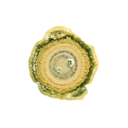
whitefly , aphids , and thrips , through a process known as mycoinsecticide activity. When applied to infested areas, the fungus adheres to the bodies of these
diseases in a natural and sustainable way. In this way, we hope to make an active contribution to a sustainable society, with safe food in sufficient quantities
beneficial nematodes target pupae in the soil. Sticky traps help monitor adult activity and support timely intervention. With Koppert’s biological solutions for
'V' shape. Throughout their development, larvae remain quite small and active. Except for the first instar, which mines in the leaf tissue, the larvae
Production of the phytohormones auxin and gibberellin, which directly activate grass growth. Increased bioavailability of essential elements. The bacteria
at rest, displaying a characteristic black and white pattern. Adults are active predators, feeding on thrips. They also consume pollen and plant juices
will reach its maximum size and starts declining in size and pollination activity. Colony development depends on environmental conditions and the amount
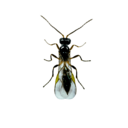
temperature needs to be at least 20°C/68°F. Eretmocerus eremicus is still active at temperatures above 30°C/86°F. Behaviour of the parasitic wasp Eretmocerus
egg. These first instar nymphs are known as ‘crawlers’. They are highly active in their search for a new feeding place and are capable of moving a reasonable
presence of leaf hairs. The larvae are not easily observed and are mainly active at night, sheltering under the plant or the rim of the pot, during daylight