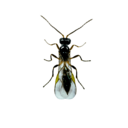
should always be adjusted to the particular situation. Start introduction as soon as the first mines are visible in the crop. Introduction rates typically [...] Eulophidae within the order Hymenoptera . It is widely recognized for its role as a biological control agent for leaf miner control. Its ability to effectively [...] pests: Leaf miners The parasitic wasp Diglyphus isaea is available at Koppert as Miglyphus Diglyphus isaea products Miglyphus Expand all items How to use Diglyphus
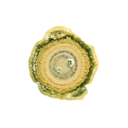
separate group of microorganisms and is therefore not a real fungus. It survives as oospores, resting spores which are resistant to unfavourable conditions,
should always be adjusted to the particular situation. Start introduction as soon as the first aphids are detected in the crop. Introduction rates typically [...] hours, depending on the age and nutritional condition of the predator, as well as the size of the prey. Life cycle of Aphidoletes aphidimyza Growers can [...] the following pests: Aphids Aphidoletes aphidimyza is available at Koppert as Aphidend . How to use Aphidoletes aphidimyza The predatory gall midge Aphidoletes
22 families, among them crops such as sweet pepper, tomato, strawberry, lettuce, beetroot, onion, rhubarb as well as chrysanthemum and carnation. It is
introduction preventively soon after planting of the crop or curatively as soon as you see this pest in the crop. Releases should be repeated until control [...] between 20 and 24 °C and 70% humidity. Storage time after receipt Apply as soon as possible after receipt. If necessary, the product can be stored for 1-2
organisms such as spider mites and tarsonemid mites. They can also feed on pollen, which is useful for instance in sweet pepper crops as the predatory mite [...] should always be adjusted to the particular situation. Start introduction as soon as the first pest mites are detected in the crop. Introduction rates typically [...] adjusted to the particular situation. Start introduction preventively or as soon as the first pest mites are detected in the crop. Use at least 4,000 sachets
species causing major damage to cultivated grasses, such as maize, rice, sorghum and sugarcane, as well as other crops, including cabbage, beet, peanut, soybean
populations of cutworms can destroy entire stands of crops, such as cotton or maize. As plants become larger, older instars will occasionally tunnel into [...] in the ground during the day. Damage from these instars is usually observed as a cutting of young seedlings, often causing death of the cut seedlings. Sometimes
nicotianae ) is also encountered in a range of crops in greenhouses, such as sweet pepper, aubergine, chrysanthemum, and various pot plants and cut flower [...] extract nutrients from the plant and disturb the balance of growth hormones. As a result, the plant’s growth is retarded giving rise to deformed leaves or [...] variety in colour. When reproduction is asexual, the young aphids are born as developed nymphs. They immediately start to feed on plant sap and grow rapidly
General The tomato russet mite (Aculops lycopersici , also referred to as Vasates lycopersici, Vasates destructor and Phyllocoptes destructor in older [...] The damage is first seen on the lower part of the plant and moves upwards as the mites ascend. Life cycle and appearance of tomato russet mite All life [...] plants. When newly laid they are creamy white but turn to a patchy yellow as they age. The mites have two nymphal stages: sometimes they are also called