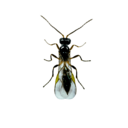
Aphid control with the parasitic wasp Aphidius matricariae Aphidius matricariae is a parasitic wasp belonging to the family Braconidae and is widely recognized [...] recognized for its role in biological pest control of aphids . This small wasp is a valuable natural enemy in both agricultural and horticultural settings [...] settings. Aphidius matricariae is used for the control of the following pests: Myzus spp. The natural enemy Aphidius matricariae is available at Koppert as
Aphid control with the parasitic wasp Aphelinus abdominalis Aphelinus abdominalis is a parasitic wasp for the biological control of various aphid species [...] species. The parasitic wasp Aphelinus abdominalis is used for the biological control of the following pests: Potato aphid ( Macrosiphum euphorbiae ) Glasshouse [...] used for host feeding while the larger individuals are parasitized. The control of the aphids is due to host feeding and parasitization in roughly equal
General The only known stage in all Alternaria species is the asexual stage. Conidia and mycelium overwinter in the soil and on crop residues and cause primary infection of the leaves. Survival can be
materials (seed, cuttings, tubers) Disinfect cutting knives and tools Control root rot nematodes as the wounds they make on roots help the bacteria to
General Sclerotinia sclerotiorum, also known as cottony soft root, is a plant pathogenic fungus. It has a very wide range of host plants. Damage symptoms The first symptoms of a cottony soft root ( Sc
General Rhizobium bacteria are soil bacteria that fix nitrogen after becoming established inside root nodules of legumes. Additionally, pathogenic Agrobacterium s pecies have recently been assigned to
General Pseudoperonospora cubensis is a plant pathogen causing downy mildew on cucurbit crops like cucumber, cantaloupe, pumpkin, watermelon and squash. Damage symptoms Downy mildew pathogens infect m
General Late blight (Phytophthora infestans f.sp. infestans) is also known as Phytophthora blight, tomato blight, early / late blight tomato, potato blight and late / early blight of potato. Damage sy
General Pythium is considered a ‘weak pathogen’, meaning that it can usually only affect plants that are in a sub-optimal condition or suffer from stress, caused for example by too much water, too hig
General Fusarium is a group of soil-borne fungi with many different species. Fusarium is widespread and can infect a range of host crops. Many species are considered weak pathogens and can only infect