the grown larva cuts a sickle-shaped exit hole in the leaf with its mouth parts. After roughly one hour the larva crawls out of the leaf and falls to the
(Frankliniella occidentalis) are laid in leaves, flower petals and in the soft parts of stalks. They are inserted into the plant tissue with a saw-like ovipositor
present on the crop, the best approach is to monitor them during the cooler parts of the day, as this is when they are most active. Another recommendation
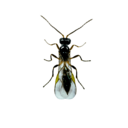
Characteristic for the distinction of the species are the fine stripes on side parts of the wasp waist. Aphidius matricariae is specific to aphids of the family
roots of corn. This allows producers to control infestation, for the most part, by rotating their corn crop yearly with another plant (typically soybean)
Rhexocercosporidium infection can cause loss of seedlings. The subsurface parts turn dark brown to black, while the cotyledons remain green. During humid
level in industrial crops. For this reason, Trianum has become an important part of sustainable agriculture in Portugal.
miles . It is a soil-dwelling predatory mite occurring naturally in several parts of the world. This predatory mite controls larvae of sciarid flies (fungus
microconidia germinate and infect the surrounding tissue. On infected plant parts, the typical boat-shaped pink macroconidia are produced, which may be dispersed
Mealybug & scale damage Although most species of mealybugs feed on the aerial parts of the plant, some species extract their nourishment from roots, whilst others