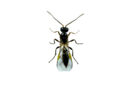
brown and the abdomen grey-brown. The forewings have a yellowish, kidney-shaped mark. The white hindwings have a clearly outlined brown venation. The beet
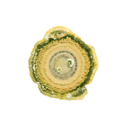
spots gradually change into larger dark brown to black lesions of various shapes. The lesions can merge and eventually cover the entire surface of the carrot
e black and red markings on their wing covers. They have a compact body shape and are typically observed actively moving on plants, feeding on aphids
at each stage: Egg stage: Cryptolaemus montrouzieri eggs are small, oval-shaped, and usually laid individually or in clusters on plant foliage or near
infect the surrounding tissue. On infected plant parts, the typical boat-shaped pink macroconidia are produced, which may be dispersed further. How to prevent
time). After mating the females lay their small (~1 mm long), white, sausage-shaped eggs (singly, or in bunches of 25–30) in humid areas with large amounts
own, with strong, dark-coloured mandibles. The grubs assume a typical C-shaped position in the soil. Newly-hatched grubs are about 1.5 mm long and translucent
late second and third instar larvae to parasitize. An egg has an elongated shape, measuring 0.3 x 0.1 mm, and is transparent white in colour. It lies alongside
slightly longer than the diameter of spider mite eggs and almost banana shaped. Larval Stage : The colour of the larva is usually orange but can vary according
colour of the food ingested shines through the skin and shows up as an X-shaped marking on the back. If the food supply has been absent for some time, they