find more information in English and Dutch on www.koppertfoundation.org . Do you need help with explanation and/or application? Please contact your local
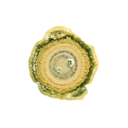
in the absence of plants. Many species are entirely saprophytic, so these do not harm plants. How to prevent Damping-off Use resistant cultivars or graft [...] cultivars Use clean planting material Ensure regular growth Avoid over-watering Do not provide excess nitrogen since this promotes the disease. In greenhouses:
pollinate via buzz pollination (sonication) something honeybees are unable to do. They do this by vibrating the flowers, rapidly moving their flight muscles without [...] fruit crops may need to be pollinated via cross- pollination (when varieties do not set fruit by their own pollen). Cross pollination only works if the cultivars [...] 5 acres. Bumblebees will not drift to neighboring fields the way honeybees do. Overall, it has been observed that the best option for a grower is to use
at your workplace if possible and do not take them home, to avoid spreading allergens and other particles. If you do wash your clothes at home, moisten [...] you open the bag. Possible allergic reactions and treatment However, if you do come into contact with substances in the products mentioned above and you
spider mites (e.g. European red mite , Panonychus ulmi ) and rust mites. Crops Do not use in tomato. Mode of action Predatory mites use their piercing mouthparts [...] relative humidity below 65%. Combined use Can be combined with Orius spp. Do not combine with other generalist predatory mites ( Amblyseius swirskii ,
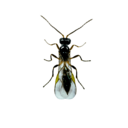
parasitic wasps are released to combat harmful insects, in the same way as they do in the wild. Koppert supplies various species of parasitic wasps, predatory [...] products – which can be used above ground and underground – have the potential to do incredible things. They combat diseases and pests, strengthen crops, and improve
spider mites (e.g. European red mite , Panonychus ulmi ) and rust mites. Crops Do not use in tomato. Mode of action Predatory mites multiply in the sachet and [...] relative humidity below 65%. Combined use Can be combined with Orius spp. Do not combine with other generalist predatory mites ( Amblyseius swirskii ,
crop and soon neighbour growers and others became curious about what he was doing in his greenhouse. At first they were sceptical, but after repeated introductions [...] this way, we became consultants as well as producers – something we still do to this very day.’ ‘A few things worked in our favour during the years. Pests [...] proud of the total company we have created and of the people who work here. We do it together. To innovate, to bring something new to the market, that’s in
on the plant. When pupae do fall, they can either lay on the soil surface or embed themselves as far as 15mm deep. Thrips do not feed during this stage [...] populations and new sources of infestation and crop loss around the world. How do thrips typically enter Greenhouse and Indoor growing spaces? There are three [...] antennae will be bent backward over the head. The prepupal and pupal stages do not feed. This thrips species damages plants differently than others. It will
them from going into diapause. Note: If you are using Thripor curatively, and do not need establishment (cannabis or tropical houseplant growers, etc.), you [...] nymph presence. Orius nymphs are an orangish colour with red eyes. How Soon Do They Begin Feeding? As soon as Thripor have been introduced into your growing