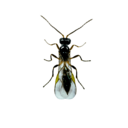
soil-dwelling thrips stages, it also feeds on fly larvae, mites, springtails, nematodes and other small soil-dwelling organisms. The larvae do not feed. Nymphs
and diseases such as predatory mites and bugs , lacewings, beneficial nematodes and entomopathogenic fungi, among others, in order to ensure sustainable
control pest populations. Predatory mites , parasitic wasps and beneficial nematodes are examples of beneficial organisms used for biological pest control
against soil-borne diseases such Fusarium and Sclerotinia and beneficial nematodes , Capirel, against onion fly (Delia Antiqua). The partnership with Koppert
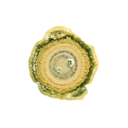
antagonistic effects on plant pathogens, such as fungi, bacteria, and nematodes. Trichoderma harzianum is often applied as a biocontrol agent to protect