winged form appears in late summer. Early in the season, the aphids are nearly colourless to pale yellow, and as the days become shorter, they change to
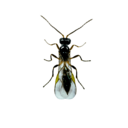
measuring 2 to 3.5 mm in length, and over time they turn grey, reddish-brown, or nearly black. Their main distinguishing feature is a ‘snout’ which is longer than
are inserted into the plant tissue with a saw-like ovipositor. Larvae are nearly transparent white or yellowish to orange-yellow, with a large head and bright
Rollertraps in areas where high pest pressure is expected, such as along gables, near ventilation windows and at (other) places with dry conditions Rollertrap
The parasitic wasp is available in a bottle ( Aphilin ). Release mummies near infested plants, because Aphelinus abdominalis is not very mobile Spread
until fully grown (7–12 mm), at which point they crawl to a cool, dry place near the breeding site to pupate. Flies in the pupal stage are oval-shaped, with
year. The rootworms undergo three larval instars then pupate in the soil near the corn roots in late June or early July. After 5–10 days the adults begin
brittle, turn brown or silvery and die. Flowers and young fruits become brown near the base. Life cycle and appearance of Cyclamen mite The life cycle of the
methods available for growers to do so: Right placement Placing the hive near the ground on the shade of the crop can keep the temperatures inside the
additional shading Under short day conditions (<10 hours light) position the hive near the top of plants, in such a way that the hive is exposed to the first daylight