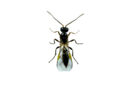
scales, produce no honeydew. They feed by sucking the contents of epidermal cells, into which they inject toxic substances that cause yellow, red or brown
can directly inhibit the growth and development of pathogens, disrupt their cell walls, or interfere with their metabolic processes. Strengthening the plant:
through damaged epidermal tissue, it begins to replicate. Inside the host cells, the viral RNA is copied and integrated into the host genome. This process
Parasitism of pathogens Trianum-P grows around the mycelia of the pathogens. The cell walls of the pathogens break down and the pathogens die. Strengthening of
and covered production environments. They puncture plant tissues to feed on cell contents, leading to scarring, deformed growth, and flower damage. Moreover
species can rapidly infest greenhouse and field crops, feeding on plant cells and causing leaf discoloration, reduced photosynthesis and lower yields.
Not classified Respiratory or skin sensitization : Not classified Germ cell mutagenicity : Not classified Carcinogenicity : Not classified Reproductive
classified as a respiratory or skin sensitizer. Germ cell mutagenicity Shall not be classified as germ cell mutagenic. Carcinogenicity Shall not be classified
pH: 6.21 – 6.64 Respiratory or skin sensitization : Not classified Germ cell mutagenicity : Not classified Carcinogenicity : Not classified Reproductive