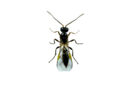
insects and biological control One of the key aspects of IPM is harnessing the power of natural enemies to control pest populations. Predatory mites , parasitic
mobile phone manually or use the scanner for Horiver sticky cards for automatic detection of pests. The dashboard provides you with a complete overview
sites concerned with a specific aspect of this website. This does not automatically mean that Koppert is tied to, or the owner of, these other sites, and
crop's pollination process and achieve exceptional yields, harnessing the power of commercial bumblebees can be a game-changer. Bumblebees are efficient
new host. Part of the IPM toolbox Nematodes have increasingly become a powerful part of IPM solutions together with other beneficial organisms; working
What are nematodes? Nematodes, commonly referred to as roundworms, are a diverse group of worms belonging to the phylum Nematoda. Nematodes are characterized by their unsegmented, cylindrical bodies,
Effective pollinators Bumblebees are known to be easy, efficient and reliable pollinators. These are the benefits of bumblebees: Bumblebees provide maximum insurance for optimal pollination , due to t
Biocontrol explained Biological pest control, often referred to as biocontrol, is a method of managing pests using natural predators, parasitoids, or pathogens. This approach partners with nature to m
Pests Aphids and other pests, like mealybugs , Echinothrips and butterfly and moth eggs. Mode of action Larvae of the lacewing attack their prey and suck their body fluids. Visual effect Prey is sucke
Overview of the battery A D A B 3.4 14 C Power connection Identification sticker B C D Power indication lights Test button Working principle [...] stop, put the power switch in the throw position (A). The fan stays on. No product is blown from the device. 2. To fully stop, put the power switch in the [...] .............................................................33 Battery power indication..............................................................