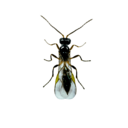
very new pest to North America. It was first seen on cuttings originating from Colorado in 2016 and is now widespread throughout that state and Oregon.
species. They have very hard bodies and are small in size. They prefer crops from the Solanaceae family, especially the Capsicum genus (peppers); they feed
and bright red eyes. Adult females are very variable in colour. They range from almost white through yellowish orange to almost black. Western flower thrips
first mealybugs are detected in the crop. Introduction rates typically range from 5-40 per m 2 /release. Releases should be repeated at least 3 times at intervals
adjusted to the particular situation. Introduction rates typically range from 10-100 eggs per m 2 /release. Releases should be made preventively or in
large group with more than 150,000 species, that are easily distinguishable from other insects. Many of the butterfly species that are active during the day
young folded leaves, where the humidity is highest and they are protected from direct sunlight. In such spots, they are difficult to observe. Damage occurs
first thrips are detected in the crop. Introduction rates typically range from 0.5-10 per m2/release. Releases should be repeated once or twice. Consult
the first mines are visible in the crop. Introduction rates typically range from 0.25-3 per m 2 /release. Releases should be repeated at least 3 times at
efficacy saves labour Subsequent generations of predatory mites emerging from the sachets make sure that the predatory mites are present in the crop over