Economical and better biocontrol of aphids, mealy bugs and Echinothrips Aphids and mealy bugs are difficult to control and an increasing problem in many crops in which hotspots can grow explosively. B
Even more impact on spider mite control! It all started with Spidex ( Phytoseiulus persimilis ) at Koppert more than 50 years ago. From day one this predatory mite formed the foundation of our spider
Control caterpillars with beneficial nematodes Beneficial nematodes or entomopathogenic nematodes are mainly known for the biological control of soil pests such as thrips pupae, and larvae of sciarid
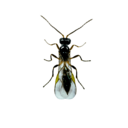
Pests Potato psyllid ( Bactericera cockerelli ). Mode of action Adult female parasitic wasps parasitize nymphs of the fourth and fifth instar of psyllid. Additionaly, host feeding also occurs. Appeara
Two-spotted spider mite ( Tetranychus urticae ) and other Tetranychus spp., except Tetranychus evansi . Mode of action Predatory mites multiply in the sachet and disperse into the crop over a period o
Every day, Koppert helps growers and farmers around the world to combat pests and diseases in a natural and sustainable way. In this way, we hope to make an active contribution to a sustainable societ
On this page you find listed questions and answers about nematodes in general, their application, formulation and packaging, handling and storage, and regulatory issues. The questions and answers can