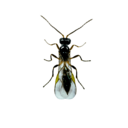
hook-tipped bristles at the tip. In Europe, the first generation adults appear from mid May onwards. Eggs are laid singly on leaves or developing fruitlets and
veins to rest. Their colour can vary according to the prey eaten, and varies from almost lucent whitish to opaque white or yellow. Due to their size and colour [...] first pest mites are detected in the crop. Introduction rates typically range from 25-300 per m2/release. Releases should be repeated if necessary. Consult
first thrips are detected in the crop. Introduction rates typically range from 0.5-10 per m2/release. Releases should be repeated once or twice. Consult
the first mines are visible in the crop. Introduction rates typically range from 0.25-3 per m 2 /release. Releases should be repeated at least 3 times at
taken up by the plant Do not use disinfectants in drip irrigation systems from at least one day before until two days after the application of Trianum-P [...] expiry date. Storage temperature 4-8°C/39-46°F. Storage conditions Keep away from direct sunlight.
canicularis ) and other Fannia spp. Mode of action When the flies emerge from the released pupae, they will lay eggs on or close to the manure, the developing
parasitic wasps will then also be trapped Remove the silicone cover paper from both sides of the trap Replace the traps when largely covered by insects
concern and proving difficult to control. In light of this, the export of fruit from susceptible crops to some parts of Europe, and the import into Mexico, is
usually live in young unfolded leaves. Nymphs and adults extract nutrients from the plant and disturb the balance of growth hormones. As a result, the plant’s
first pest mites are detected in the crop. Introduction rates typically range from 2-50 per m2/release. Releases should be repeated once or twice at weekly