strict measures are taken to eradicate the infection. In tomato, growers must either destroy the infected crop entirely or, if the crop is old, only the plants
28-33 °C. They have their own clever ways of regulating this temperature, either by ventilating during warmer temperatures or incubating the brood when it
in length. They are slightly hairy and have four pairs of prolegs. They either make webs in which they hide, or live inside fruit or flowers. It is these
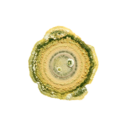
contact with water for no more than a few hours. Powdery mildew spores, either ascospores or conidia, don’t need nutrients or water for germination. In
at ground level. The caterpillars pupate in an earthen cocoon, concealed either within the crop or in another suitable spot in the vicinity. Pupation occurs
wrinkled stripes dorsally and a yellow band running the length of the body on either side, above which there is a black dot on each segment. The young caterpillars
enough daylight present. Wireless BeeHome system (WBH) can be controlled either by using a timer or by connecting the transmitter to the climate computer
on seed, greenhouse structures, tools and machinery. Primary infection is either seed-borne or takes place as infection of the roots at the root tip, or
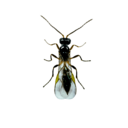
exhibit host specificity. The female parasitic wasp carefully inserts its eggs either inside the host's body or attaches them to the host's exterior. Larval
control. After the larval stage, dependent on thrips species, thrips will either pupate in the soil or on the leaf. Most common thrips species, like the