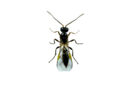
disturbed. Damage symptoms Thrips cause damage to plants by piercing the cells of the surface tissues and sucking out their contents, causing the surrounding
greenhouses. Damage symptoms Thrips cause damage to plants by piercing the cells of the surface tissues and sucking out their contents, causing the surrounding
crop residues of infected plants as chlamydospores (thick walled mycelium cells) or mycelium. Survival is also possible on seed, greenhouse structures, tools
germinate directly or produce zoospores), chlamydospores (thick-walled mycelium cells which are resistant to desiccation) or mycelium. Zoospores are formed from
symptoms Damage is caused by the mites sucking out the contents of plant cells. Affected leaves are slightly curled and acquire a silvery sheen on the underside
start feeding again or when the larvae are fully grown a kind of earthern cell is created in the ground in which they pupate. The adult beetles emerge a
larva forms a cavity and covers it with its excrement, creating a type of cell, to be used later when it begins its metamorphosis. It develops a shiny white
developed. Damage symptoms Thrips cause damage to plants by piercing the cells of the surface tissues and sucking out their contents, causing the surrounding
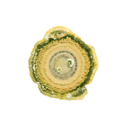
Parasitism of pathogens Trianum-G grows around the mycelia of the pathogens. The cell walls of the pathogens break down and the pathogens die. Strengthening of
crop residues of infected plants, as chlamydospores (thick walled mycelium cells) or mycelium. Survival is also possible on seed, greenhouse structures, tools