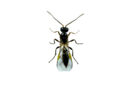
field crops, causing plant stress, virus transmission and yield loss. Effective aphid control is essential for maintaining healthy, productive crops.
General The only known stage in all Alternaria species is the asexual stage. Conidia and mycelium overwinter in the soil and on crop residues and cause primary infection of the leaves. Survival can be
General Late blight (Phytophthora infestans f.sp. infestans) is also known as Phytophthora blight, tomato blight, early / late blight tomato, potato blight and late / early blight of potato. Damage sy
General Pythium is considered a ‘weak pathogen’, meaning that it can usually only affect plants that are in a sub-optimal condition or suffer from stress, caused for example by too much water, too hig
General Grey mould ( Botryotinia fuckeliana / Botrytis cinerea ) is a commonly found fungus in many environments. It survives in plant parts like bulbs and crop residues or as sclerotia (drought- and
General Sclerotinia sclerotiorum, also known as cottony soft root, is a plant pathogenic fungus. It has a very wide range of host plants. Damage symptoms The first symptoms of a cottony soft root ( Sc
General Pseudoperonospora cubensis is a plant pathogen causing downy mildew on cucurbit crops like cucumber, cantaloupe, pumpkin, watermelon and squash. Damage symptoms Downy mildew pathogens infect m
General Rhizobium bacteria are soil bacteria that fix nitrogen after becoming established inside root nodules of legumes. Additionally, pathogenic Agrobacterium s pecies have recently been assigned to