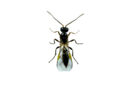
thrips (Frankliniella occidentalis) is currently the most damaging thrips species in many greenhouse crops. The western flower thrips (Frankliniella occidentalis)
Is this a different Phytoseiulus species to the Spidex I am used to? No, it is exactly the same Phytoseiulus species as in de former Spidex Vital: Phytoseiulus
greater diversity of feeding habits than any other mite family. There are species that feed on fungi, algae, plants, as well as insect and mite predators
beetles and larvae are polyphagous and feed on a large number of plant species. High populations of larvae can destroy plants under field conditions.
Akanthomyces muscarius ( formerly called Lecanicillium muscarium ) is a species of beneficial fungi commonly used in biological pest control . This fungus
insects, in the same way as they do in the wild. Koppert supplies various species of parasitic wasps, predatory mites, bugs and beetles , gall midges, and
products for aphids ( parasitic wasps ) often tackle only one specific aphid species, while Chrysopa-E eats all types of aphids, mealybugs and Echinothrips,
Steinernema feltiae nematodes Steinernema feltiae is a species of beneficial nematode commonly used in biological pest control . These microscopic roundworms
least toxic options available. This approach minimizes harm to non-target species and the environment. In some cases, integrating both biological and chemical
sizes during its development, although the actual quantity depends on prey species and temperature. When prey is scarce, the larvae can resort to cannibalism