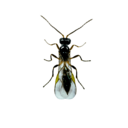
soon after planting of the crop. Introduction rates typically range from 1-10 per m 2 /release. Releases should be repeated until control is achieved
first aphids are detected in the crop. Introduction rates typically range from 1-10 per m 2 /release. Releases should be repeated at weekly intervals until
Conditions also apply to all Advice and Services provided by Koppert. (art. 2.1) General Terms and Conditions of Sale General Conditions for using this website
freesia and paprika plants. International Archives of Allergy and Immunology, 75(1), 44-47. Gisele Groenewoud, Occupational Allergy in Horticulture/Beroepsallergie
Oops, an error occurred! Code: 20260611174128614cff23 Event: 2b792a0a85884e1b828fe11148314ff2
to be Aware of When introducing our Quads into your Field, Orchard, or Bog: 1. Delivery Timing: Bumblebees should be placed in the field just before the
Western Flower Thrips ( Frankliniella occidentalis) larvae per day and lay 1.4 eggs per day on this prey Life cycle of Amblyseius swirskii The life cycle
adult female Amblydromalus limonicus lays 3.7 eggs per day on young eggs, 1.2 eggs per day on older eggs and 3.3-3.4 eggs per day on crawlers and nymphs
the contents of the sachets into a bucket containing at least six litres (1.5 gallons) of water per sachet (water temperature: 15-20°C/59-68°F) Stir well
may be difficult to find, due to rapid degradation. Pack size 50 million – 1 sachet of 50 million in a box. 500 million – 2 sachets of 250 million in a