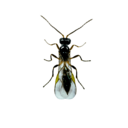
flies ( Scatella stagnalis ), and several thrip species Mode of action The predatory beetles , both adults and larval stages, consume their prey in its entirety
adjusting their feeding rates based on aphid density, optimizing their predatory impact in areas with high aphid concentrations. In this way, Aphidius
wasp has laid her eggs inside an aphid, the emerging larvae begin their predatory activity by feeding on the aphid's internal tissues. They use their mouthparts
t and implementation of natural enemies of pests and diseases such as predatory mites and bugs , lacewings, beneficial nematodes and entomopathogenic fungi