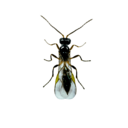
The predatory mite Phytoseiulus persimilis is by far the most important natural enemy of Two-spotted spider mite (Tetranychus urticae) and has been used
such as predatory mites can be an effective preventative measure, as these natural enemies can help keep thrips populations in check. Predatory mites in sachets
healthy, productive crops. Biological control of aphids uses a combination of natural enemies that attack aphids in different ways: Parasitic wasps Predatory
poster Bumblebee, honeybee, and wasp stings Bumblebees are found in the natural environment in many countries. In addition, bumblebees and honeybees are
crops. Biological control of spider mites and other mites uses a range of natural enemies that target different developmental stages of the pest: Predatory
search of their prey. Once they have found a host insect, they penetrate its natural body openings. The nematodes then release pathogenic bacteria they carry
About The gooseberry is belongs to the species of Ribes . The plant originates from Europe, Northwestern Africa, and West, South and Southeast Asia. The gooseberry is also sparsely habituated in vario
About Cranberry ( Vaccinium macrocarpon) is a particular North American species of cranberry is also referred to as large cranberry, American cranberry or bearberry. The cranberry is indigenous to spe
About The orchid is part of an extremely large and diverse of flowering plants, the Orchidaceae or the orchid family . The plant’s flower are usually colourful and fragrant. Nowadays there are no less