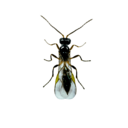
General The black vine weevil, Otiorhynchus sulcatus, is a pest in many ornamental crops (e.g. rhododendron, cyclamen and azalea), as well as in strawberries and other fruit crops in both temperate an
General The diamond back moth (Plutella xylostella) belongs to the family of Plutellidae . It only attacks Brassicaceae species, including cruciferous weeds. The diamond back moth (Plutella xylostella
General Click beetles are elongate beetles with a hard exoskeleton, with the head deeply retracted into the thorax. When disturbed they lie on their back feigning death and then suddenly propel themse
General The chafers are beetles of the Scarabaeidae family. The larvae of both species live in the soil and feed on the roots of many plants. They are a serious pest that can cause substantial damage.
General The onion thrips (Thrips tabaci) is distributed throughout the world. It is found outdoors on many plants and particularly damaging on onions, leek, and in greenhouses on cucurbits, tomato, sw
General Impatiens thrips (Echinothrips americanus) is an increasing problem in greenhouse cultivation, having spread to many countries within the last 30 years. The thrips have mostly been able to spr
General The golden twin-spot moth or tomato looper ( Chrysodeixis chalcites ) belongs to the family of Noctuidae . It is a tropical and subtropical species originating in the Mediterranean and norther
General The broad mite (Polyphagotarsonemus latus) occurs in the tropics and in greenhouses in temperate regions. The broad mite (Polyphagotarsonemus latus) has a wide range of host plants, especially
General The cyclamen mite ( Phytonemus pallidus ) is a harmful strawberry pest as well as a common pest found in cyclamen, gerbera and other ornamentals . Mites belonging to the family of tarsonemids
General The black bean aphid, Aphis fabae , is widespread in temperate regions, where it is a serious economic pest of beans. It is highly polyphagous, and attacks a wide range of other crops. Damage