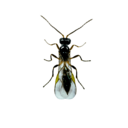
, offering an eco-friendly and sustainable solution to control aphid infestations without the need for chemical pesticides. The predatory beetle Adalia
usually laid individually or in clusters on plant foliage or near mealybug-infested areas. They are typically yellow-white in color and may be found attached
, we saw a reduction of Tuta in the crop of more than 80%. The large infestation which was present was reduced and under control, and the application greatly
prevention rather than reaction. It emphasizes practices that deter pests from infesting in the first place. Monitoring Regular monitoring of pest populations helps
all different developmental stages can be found together. When shaking infested plants, adults will first fly, then return to the underside of the leaves
non-balanced nutrition, the influence of viruses, plant diseases, pest infestations, insufficient or extreme growth, extreme climate conditions and the influence
behaviour. Ladybugs use their keen sense of smell to locate areas with aphid infestations. Once they find aphids, ladybugs use their specialized mouthparts to
instance, growers might release predatory mites to control spider mite infestations in a greenhouse. Augmentative biological control can provide rapid results
the high side. It is better to use a little too much than not enough; infestations must always be prevented as much as possible. We certainly don’t skimp
strategically you can: Identify the pest species Assess the severity of the infestation Monitor the population dynamics Monitor activity levels of pest over time [...] problematic areas (pest breeding grounds or locations with previous pest infestations), and areas outside the growing facility (to get a more comprehensive