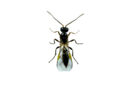
from spider mites while reducing reliance on chemical pesticides. This natural predator ensures healthier crops through effective biological control. The [...] turkestani ), Kanzawa spider mite ( Tetranychus kanzawai ) and many others. The natural enemy Feltiella acarisuga is available at Koppert as Spidend . How to use
lacewings, predatory mites , parasitic wasps and predatory beetles. These natural enemies feed on pests, reducing their numbers and preventing them from causing
beetles combines preventive monitoring with targeted interventions using natural solutions: Beneficial nematodes Insect traps Pheromone traps Beneficial
Scatella stagnalis occurs widely. These small black flies can be found naturally at marshy, muddy lake shores and intertidal zones, and they breed readily
General Pseudococcus longispinus occurs naturally in tropical and sub-tropical regions, but these days it is widespread throughout the world. The range
will gradually disappear. I believe that the agricultural sector has a natural interest in such solutions, but ignorance and a lack of alternative options
ty crops. Biological control of flies combines targeted monitoring and natural enemies that reduce both larval and adult populations: Beneficial nematodes
Koppert's bumblebees ensure natural pollination in both indoor and outdoor crops. Good pollination in outdoor crops can be achieved by following the r
can actively hunt! Once they have found a host insect, they penetrate its natural body openings. The nematodes then release pathogenic bacteria they carry
Macrosiphum euphorbiae ) Glasshouse potato aphid ( Aulacorthum solani ) The natural enemy Aphelinus abdominalis is available at Koppert as Aphilin . Aphelinus