General The cabbage moth (Mamestra brassicae) is a highly polyphagous defoliator. Besides being a major cabbage pest, it feeds on 70 plants of 22 families, among them crops such as sweet pepper, tomat
before maturing into the adult form. The poultry red mite can live between 5–17 days, depending on the temperature. Higher temperatures shorten the mite’s
hard to find in the soil, as this stage lasts only a few days. The adults, 5-6 mm long, are dark yellow in colour and there are three black stripes on the
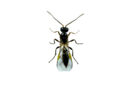
distinctive white stripe on the abdomen. They are small in size, around 2.5 mm, and they live between 20 and 60 days.
Biological control of leaf miners Leaf miners are damaging pests that tunnel through leaves, reducing photosynthesis and weakening plant growth. Their feeding patterns cause visible leaf damage, lower
Biological control of bugs Bugs can cause extensive damage to greenhouse and field crops by feeding on plant tissues and fruits, leading to deformation, discoloration, and yield loss. Effective bug co
Biological control of flies Flies are a common pest problem in greenhouse and field crops, where they disturb plant growth, spread diseases and affect crop hygiene. Their larvae can damage roots and g
Biological control of spider mites and other mites Spider mites and other mite species can rapidly infest greenhouse and field crops, feeding on plant cells and causing leaf discoloration, reduced pho
Biological control of mealybugs and scales Mealybugs and scale insects are persistent pests that feed on plant sap, weakening crops and producing honeydew that leads to sooty mould. Infestations reduc
Thrips are small insects (0.5-14 mm), with the largest species found in the tropics. In temperate regions they are not larger than 2.5 mm. All thrips species