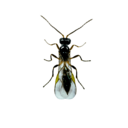
Aphid control with the parasitic wasp Aphidius matricariae Aphidius matricariae is a parasitic wasp belonging to the family Braconidae and is widely recognized for its role in biological pest control
Whitefly control with the parasitic wasp Encarsia formosa Encarsia formosa is a parasitic wasp belonging to the family Aphelinidae , widely recognized for its role in biological control, particularly
Leaf miner control with the parasitic wasp Diglyphus isaea Diglyphus isaea is a small parasitic wasp belonging to the family Eulophidae within the order Hymenoptera . It is widely recognized for its r
Aphid control with the parasitic wasp Aphidius colemani Aphidius colemani is a parasitic wasp used for biological pest control . This species belongs to the Braconidae family and is primarily known fo
pests in greenhouse and field crops, feeding on plant sap and transmitting harmful viruses. Their feeding weakens plants, causes leaf yellowing and leads to
Pests Whitefly Crops Greenhouse cucumber, pepper, tomato and ornamental plants. Mode of action After spraying Mycotal, the spores germinate and grow to hyphae that penetrate the pest's body cavity. He
maintaining the moisture in the sachets; keeping the moisture inside without harming the mites and creating the perfect ecosystem for them, with additional prey
Biological control of aphids Aphids are among the most harmful pests in greenhouse and field crops, causing plant stress, virus transmission and yield
gnats, and shore flies . The yellow card is extremely attractive to the harmful Nesidiocoris bug. Horiver Disc: This card has been designed to fit around
Bacillus thuringiensis subsp. Galleriae specifically targets beetles without harming other beneficial insects, like pollinators. As white grubs or leatherjackets