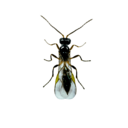
Biological control of aphids Aphids are among the most harmful pests in greenhouse and field crops, causing plant stress, virus transmission and yield loss. Effective aphid control is essential for ma
Biological control of leaf miners Leaf miners are damaging pests that tunnel through leaves, reducing photosynthesis and weakening plant growth. Their feeding patterns cause visible leaf damage, lower
General Corn rootworms ( Diabrotica sp.) are a devastating pest of cultivated corn in North America, with losses and management expenditures totaling over 1 billion dollars. In Eastern Canada, the nor
General The darkling beetle, or lesser mealworm, Alphitobius diaperinus is one of the most abundant insects found on the floor of poultry houses. It has long been known as a common pest worldwide, and
General The onion thrips (Thrips tabaci) is distributed throughout the world. It is found outdoors on many plants and particularly damaging on onions, leek, and in greenhouses on cucurbits, tomato, sw
General Impatiens thrips (Echinothrips americanus) is an increasing problem in greenhouse cultivation, having spread to many countries within the last 30 years. The thrips have mostly been able to spr
What are two-spotted spider mites? Two-spotted spider mite ( Tetranychus urticae ) is a pest of many crops throughout the world. Despite their small size, they are capable of very rapidly doing severe
General The cyclamen mite ( Phytonemus pallidus ) is a harmful strawberry pest as well as a common pest found in cyclamen, gerbera and other ornamentals . Mites belonging to the family of tarsonemids
General The cabbage leafroller (Clepsis spectrana) is native to North-West Europe. It is a highly polyphagous species causing damage to field grown cabbage, apple, pear as well as maple, popular, spru
General The southern European marshland pyralid or European pepper moth (Duponchelia fovealis) is a polyphagous species feeding on a wide range of hosts from 38 plant families. They include ornamental