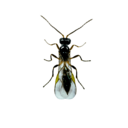
Biological control of beetles Beetles can cause serious damage in many greenhouse and field crops by feeding on leaves, roots, or fruits, leading to reduced growth and yield loss. Effective beetle con
Biological control of bugs Bugs can cause extensive damage to greenhouse and field crops by feeding on plant tissues and fruits, leading to deformation, discoloration, and yield loss. Effective bug co
Biological control of leaf miners Leaf miners are damaging pests that tunnel through leaves, reducing photosynthesis and weakening plant growth. Their feeding patterns cause visible leaf damage, lower
Biological control of caterpillars Caterpillars are highly destructive pests that feed on leaves, stems and fruits, causing serious damage to greenhouse and field crops. Their feeding reduces photosyn
Biological control of aphids Aphids are among the most harmful pests in greenhouse and field crops, causing plant stress, virus transmission and yield loss. Effective aphid control is essential for ma
Biological control of flies Flies are a common pest problem in greenhouse and field crops, where they disturb plant growth, spread diseases and affect crop hygiene. Their larvae can damage roots and g
General Corn rootworms ( Diabrotica sp.) are a devastating pest of cultivated corn in North America, with losses and management expenditures totaling over 1 billion dollars. In Eastern Canada, the nor
General The cyclamen mite ( Phytonemus pallidus ) is a harmful strawberry pest as well as a common pest found in cyclamen, gerbera and other ornamentals . Mites belonging to the family of tarsonemids
General The broad mite (Polyphagotarsonemus latus) occurs in the tropics and in greenhouses in temperate regions. The broad mite (Polyphagotarsonemus latus) has a wide range of host plants, especially
General As the name implies, the European red mite, Panonychus ulmi , is mainly a pest of fruit trees (apple, pear, plum and cherry). However, it can attack a large scale of other woody plants and is