the whole year round. The eggs are minute (0.1 to 0.25 mm) and yellowish white in colour. They are laid on the ground surface close to plant roots. The [...] mouth parts. Pupation takes place in a small hole in the ground. Pupae are white, but later become yellow to brown. The posterior end of the pupa remains
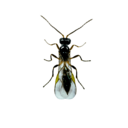
the plant tissue with a saw-like ovipositor. Larvae are nearly transparent white or yellowish to orange-yellow, with a large head and bright red eyes. Adult [...] Adult females are very variable in colour. They range from almost white through yellowish orange to almost black. Western flower thrips (Frankliniella o
flowering plant. Nowadays, a wide range of other colours is available such as white, purple and red.
cultivars that differ greatly in size, shape and colour. The main colours are white, yellow, orange, red and pink, but one flower can have petals in varying
occurring between 25–30°C. The small (1.2 mm), white eggs will only hatch if they remain moist, and creamy-white larvae (3–9 mm long) with a single pair of
July and remain in corn fields until first frost. Females lay their tiny, white eggs in the soil at the base of corn plants in late summer/early fall and [...] fall and winter until late spring/early summer (univoltine diapause). The white, threadlike larvae then emerge to begin feeding on corn roots. Certain p
usually grows on the ground surface first and then ascends. The plant produces white or pink flowers and afterwards sour-tasting red or pink berries. The size
( Duponchelia fovealis ) are light to dark brown with a clearly visible white crinkled line on the forewing. The end of the remarkably long abdomen bends [...] egg. The full-grown caterpillars are 20 to 30 mm long and have a creamy white colour. Along the dorsal surface of the body there are pairs of dark dots
Finally, white spots appear on the body. A fully grown larva is about 2 mm long. At the end of the last larval stage, the larva spins a white cocoon near [...] or red. Immediately after emerging from the egg, the larva is yellowish white. The eggs and the first larval stages are very difficult to find in the crop
environments. Several varieties of A. bisporus are grown commercially, including whites, crimini, and portobello. Many other mushroom varieties are also commercially